



Paper clutter is a common challenge in many households. Mail, bills, receipts, school papers, and junk flyers can pile up quickly, making your space feel chaotic and overwhelming. Reducing paper clutter not only helps create a tidier home but also makes it easier to find important documents when you need them. Fortunately, there are simple strategies you can use to manage and minimize paper clutter effectively.
Why Reducing Paper Clutter Matters
Before diving into tips, it’s helpful to understand the benefits of cutting back on paper clutter:
– Less Stress: A clean, organized space promotes calm and reduces anxiety.
– More Space: Fewer piles of paper mean more room for things you love.
– Better Efficiency: When papers are well-managed, you save time searching for documents.
– Environmental Impact: Using less paper is better for the planet.
With these advantages in mind, let’s explore practical ways to reduce household paper clutter.
1. Switch to Digital Statements and Bills
One of the quickest ways to reduce incoming paper is to opt out of paper bills and statements:
– Contact your providers: Many utility companies, banks, and credit card companies offer paperless billing options.
– Set up email alerts: Receive notifications when a statement or bill is ready to view online.
– Use apps: Some providers have mobile apps that make managing bills convenient.
By going digital, you’ll immediately cut down on the amount of paper entering your home.
2. Create an Incoming Paper Station
It’s normal to receive mail and documents every day. Instead of letting them scatter, designate a spot for all incoming papers:
– Use trays or baskets: Have one for urgent items, one for to-be-filed paperwork, and one for junk mail.
– Sort daily: Spend a few minutes each day sorting papers into their correct places.
– Recycle junk immediately: Toss flyers and ads you don’t need right away to keep piles from growing.
This daily habit keeps paper from piling up and makes organization easier.
3. Develop a Filing System
A simple and effective filing system will help you store important papers neatly:
– Use labeled folders: Categories might include bills, insurance, warranties, taxes, and personal documents.
– Choose a filing location: A small filing cabinet, portable file box, or accordion folder works well.
– Purge regularly: Every few months, review your files and shred papers you no longer need.
A clear filing routine reduces clutter and helps you find documents quickly.
4. Digitize Important Documents
Scanning important papers and saving them digitally is a great way to reduce physical clutter while keeping records safe:
– Use a scanner or smartphone app: Many free apps allow you to scan documents with your phone.
– Organize digital files: Create folders on your computer or cloud storage with clear names and dates.
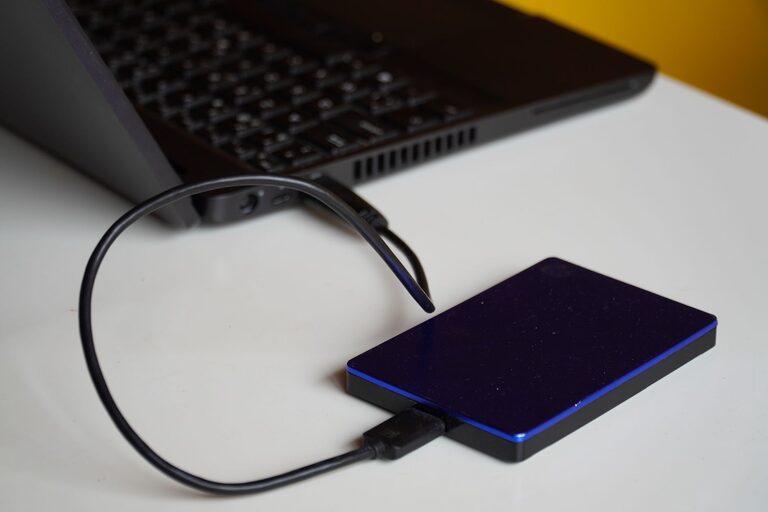
– Back up files: Use an external drive or cloud service to avoid data loss.
Digitization can make your paperless journey easier and more efficient.
5. Limit Paper Use in Your Home
Being mindful about paper use can help prevent clutter before it starts:
– Use reusable notebooks or note apps: Instead of jotting notes on sticky notes or scratch papers.
– Print only when necessary: Before printing, ask yourself if the document can be stored or viewed electronically.
– Encourage family participation: Teach children to use digital planners or take pictures of important papers instead of keeping physical copies.
Reducing the amount of paper you use daily keeps clutter in check.
6. Shred Sensitive Papers Promptly
Paper clutter isn’t just about mess—it can also pose a security risk. Shred documents containing personal information:
– Set up a small shredder: Keep it near your filing or recycling area.
– Shred regularly: Don’t let sensitive papers pile up.
– Combine with recycling: Dispose of shredded paper responsibly.
This routine protects you while reducing clutter.
7. Manage School Papers Creatively
If you have children, school papers and artwork can quickly accumulate:
– Set limits: Keep only meaningful or exceptional items.
– Create a display area: Use a bulletin board or frame rotating favorites.
– Digitize artwork: Take photos of art projects and store them digitally.
Managing school papers thoughtfully helps keep your home organized without losing cherished memories.
8. Review and Reassess Periodically
Clutter tends to return if you don’t maintain your system. Schedule regular check-ins:
– Monthly quick clean: Spend 10-15 minutes sorting papers.
– Seasonal purge: Review files and shred or recycle what you no longer need.
– Adjust systems: If something isn’t working, tweak it to better fit your lifestyle.
Consistency is key to keeping paper clutter under control.
—
Final Thoughts
Reducing household paper clutter doesn’t have to be complicated or time-consuming. By adopting simple habits such as going paperless, creating sorting stations, filing efficiently, and digitizing important documents, you can create a calmer, more organized home environment. Remember, small changes add up and maintaining these routines over time will make a big difference.
Start today with one or two of these strategies and enjoy the benefits of a clutter-free space!