







Creating a workspace that promotes both focus and comfort is essential whether you work from home or in an office. A well-organized desk setup can significantly impact your productivity, reduce physical strain, and make long hours at your desk more enjoyable. In this post, we’ll explore practical tips to optimize your desk setup for a better work experience.
Why Desk Setup Matters
Your desk is the central hub for work, learning, and creativity. An effective desk setup minimizes distractions, supports good posture, and helps maintain energy levels. When your space is thoughtfully arranged, you can concentrate better and work more efficiently.
Choose the Right Desk and Chair
Desk Height and Size
Start with a desk that fits your space and work style. The ideal desk height allows your arms to rest comfortably at about a 90-degree angle when typing. Standard desk height ranges from 28 to 30 inches, but adjustable desks or standing desks can offer more flexibility.
Make sure your desk surface is large enough to hold your essential equipment like a computer, keyboard, mouse, notebook, and any other tools you regularly use. Avoid cluttering your desk by keeping only what you need within easy reach.
Comfortable and Supportive Chair
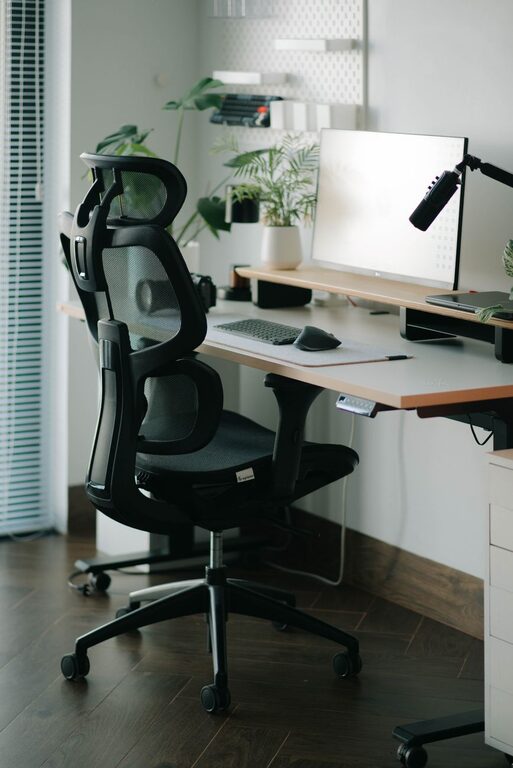
A good chair supports your lower back and encourages an upright posture. Look for chairs with adjustable height, lumbar support, and armrests. Your feet should rest flat on the floor or on a footrest, and your thighs should be parallel to the ground.
Optimize Monitor Placement
Proper monitor placement can reduce eye strain and neck pain. Position your monitor directly in front of you, about an arm’s length away. The top of the screen should be at or slightly below eye level, so you naturally look slightly downward when viewing the screen.
If you use dual monitors, place them side-by-side and angle them slightly inward to maintain a natural neck position. Adjustable monitor stands or arms can help you find the perfect height and distance.
Improve Lighting for Comfort and Alertness
Lighting plays a crucial role in keeping you focused and comfortable. Natural light is ideal, so position your desk near a window if possible. However, avoid glare on your screen by angling your monitor away from direct sunlight.
Supplement natural light with adjustable desk lamps that provide focused illumination without harsh shadows. Use bulbs with a color temperature around 4000 to 5000 Kelvin for a balanced, daylight-like effect that helps you stay alert.
Organize Your Desk for Efficiency
Declutter Regularly
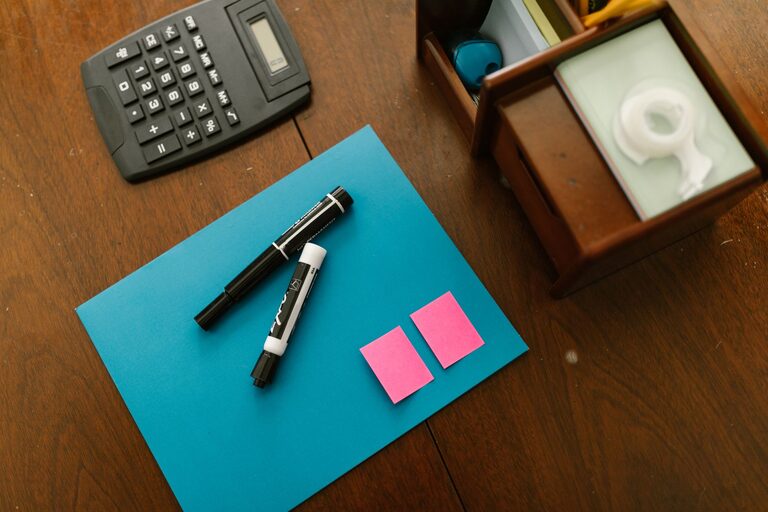
A cluttered desk can distract your mind. Keep your workspace tidy by clearing unnecessary items daily. Use trays, drawers, or organizers to store stationery, cables, and documents neatly.
Use Cable Management Solutions
Tangled cables are a common annoyance. Use clips, sleeves, or under-desk trays to keep cords organized and out of your way. This not only improves aesthetics but also reduces the risk of tripping or unplugging devices accidentally.
Keep Frequently Used Items Within Reach
Arrange your workspace so that the items you use most often, like pens, notebooks, or your phone, are easily accessible. This minimizes interruptions caused by reaching or searching for tools.
Add Ergonomic Accessories
Enhancing your desk with ergonomic tools can further improve comfort and productivity.
– Keyboard and Mouse: Consider an ergonomic keyboard and mouse that support natural hand positioning to reduce wrist strain.
– Wrist Rest: Adding wrist rests can help maintain proper alignment while typing or using a mouse.
– Footrest: If your feet don’t naturally rest flat on the floor, a footrest provides support and encourages healthy posture.
– Document Holder: Keeps papers at eye level, reducing neck bending and eye strain.
Personalize Your Space Mindfully
Adding personal touches can make your workspace more inviting and reduce stress. Consider including a small plant, a photo, or artwork. However, avoid overdecorating, as excessive items may create distractions.
Take Breaks and Move Regularly
Even the best desk setup can’t replace the benefits of movement. Use a timer to remind yourself to take short breaks every hour to stretch, stand, or walk. Incorporating movement helps reduce fatigue and keeps your mind refreshed.
Maintain Good Desk Hygiene
Regularly clean your workspace to keep it sanitary and pleasant. Wipe down surfaces, keyboards, and mouse devices to remove dust and germs. A clean environment supports well-being and helps maintain focus.
—
Final Thoughts
Setting up your desk for focus and comfort doesn’t have to be complicated. By choosing the right furniture, optimizing monitor and lighting placement, organizing your space, and adding ergonomic accessories, you can create a workspace that supports your best work. Remember, a little attention to your environment goes a long way toward a healthier, more productive day.